
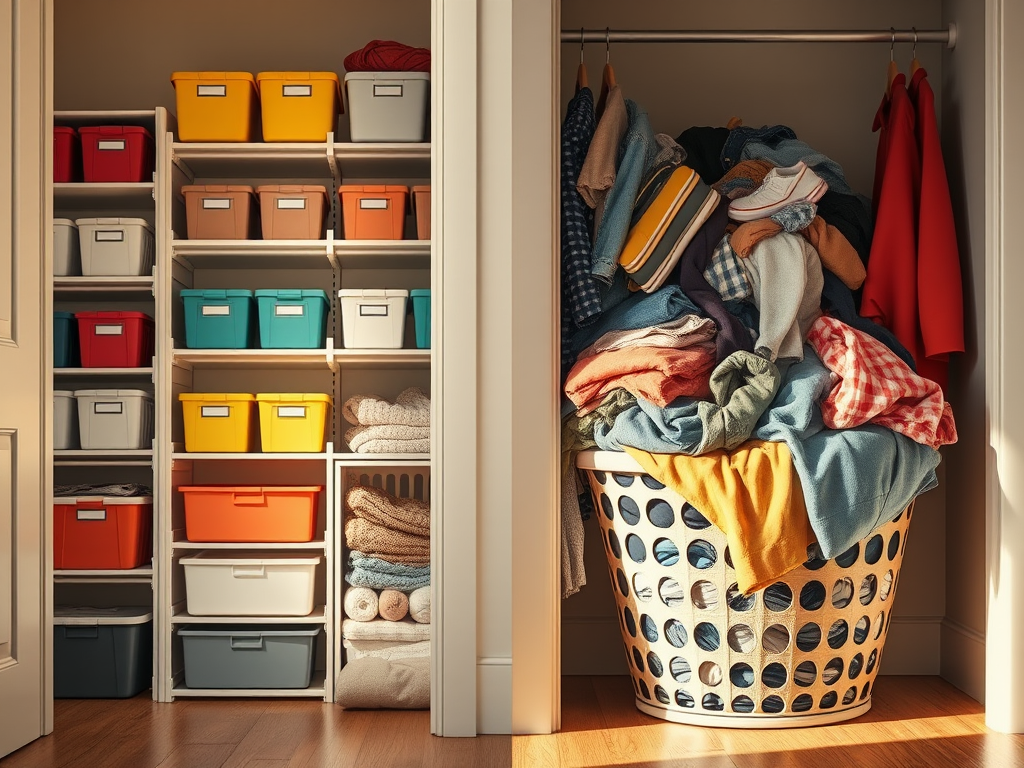
Role modeling always sounds tidy on a slide deck. But in the real world? It’s a lot like managing your closet.
🧼 Top-Down is the Closet Organizer.
You start with a vision. Shirts on hangers, shoes in clear bins, color-coded labels if you’re ambitious. It’s all based on how you think you get dressed — your ideal routine.
That’s your top-down role model: structured, policy-aligned, designed around job functions.
The catch? People don’t live in a catalog. They mix roles. They stretch responsibilities. And eventually, they stop putting things back where they belong. If you don’t maintain it, the system collapses under its own structure.
🧺 Bottom-Up is the Laundry Basket.
This one’s raw. You dump out the pile of clothes — ahem, entitlements — and look at what’s actually being used. Then you group things based on real-world patterns.
You’ll find the essentials… and some weird stuff you didn’t know was still in rotation. Like that test access someone in Marketing still has to the prod DB.
It’s useful, but chaotic. No sense of business intent, just a snapshot of now.
👟 Why Role Modeling Is Never Done
Here’s the part that doesn’t get said enough:
Role modeling isn’t a one-time project. It’s laundry. You have to keep doing it.
- Org charts change.
- People switch teams.
- Access needs evolve.
If you treat role modeling like a one-and-done cleanup, you’ll be back in the same mess by next quarter.
The sustainable path is a hybrid:
- Use bottom-up to learn how the organization actually operates.
- Apply top-down structure to make it governable.
- And build a process that treats role hygiene as part of the day-to-day, not a heroic annual cleanup.
 Navigating Identity
Leave a comment